Modern business website template showcasing service details and customer engagement.

Modular Vertical Farming for Urban and Limited-Space Environments

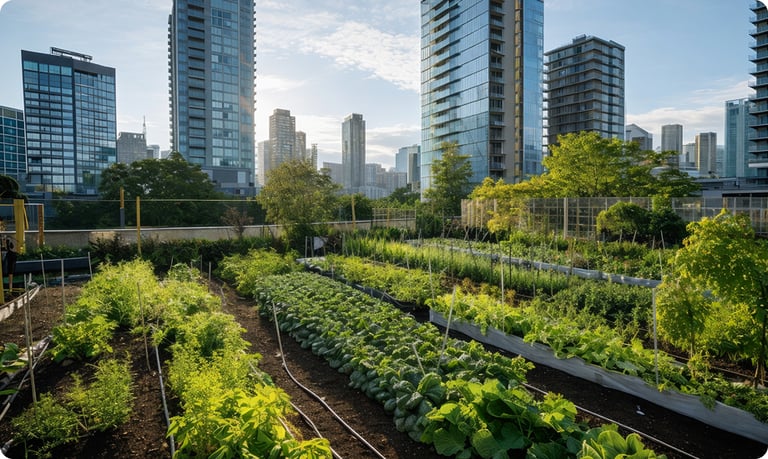
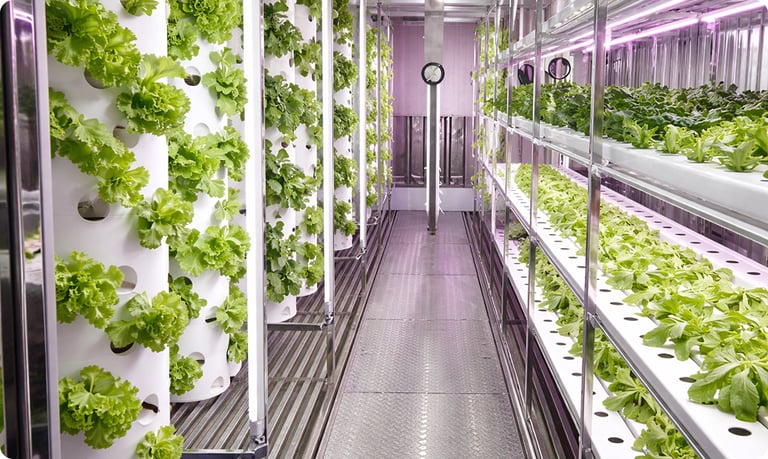
Container-based vertical farming provides a practical solution for food production in urban settings or areas where land is limited. These modular systems use controlled environments to grow fresh produce year-round, independent of traditional farmland. Our service includes design, installation, and integration of container farms for urban farms, small growers, food retailers, and community initiatives in the Surrey and Vancouver area. This approach supports local food supply, reduces transportation needs, and helps stakeholders maintain consistent production regardless of external conditions.

Illustration of a modern business website showcasing service details and customer engagement.
How Container Farming Works

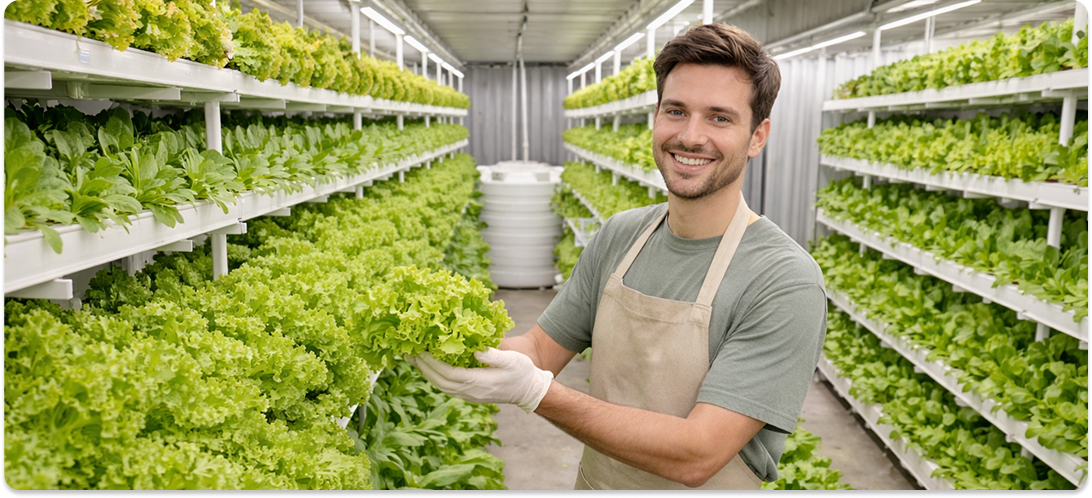
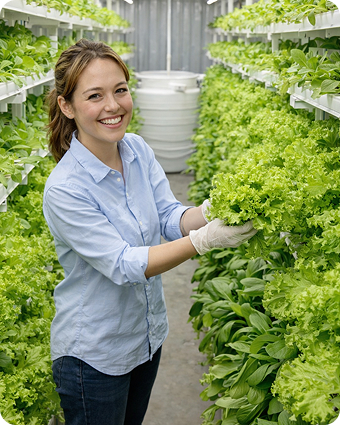
Container-based vertical farms use advanced climate control, LED lighting, and hydroponic or aeroponic systems to create optimal growing conditions inside a compact, modular unit. Each container can operate independently or as part of a larger network, allowing for scalable production and flexible deployment.

Who Benefits from This Solution

Urban and small farms, retailers, food processors, and export-focused businesses can all benefit from container farming. It is especially valuable for organizations needing reliable, local produce supply or looking to launch food production projects where space is limited.

Key Advantages

Container-based vertical farming enables year-round production, reduces dependency on weather, and minimizes the need for arable land. It also supports traceability and supply chain integration, making it easier for businesses to meet local demand and export requirements.

Frequently Asked Questions

Q. How does container-based vertical farming support consistent food production?
These systems provide a controlled environment that helps maintain stable growing conditions year-round. This reduces reliance on external weather and soil factors, supporting more predictable crop yields.
Q. Can container-based vertical farming be integrated with existing agri-food supply chains?
Yes, container-based vertical farms can be connected with local processors, retailers, and export channels. This integration supports efficient farm-to-market networks and helps meet supply chain needs in the Surrey and Vancouver metropolitan areas.
Q. What is container-based vertical farming and how does it work in urban environments?
Container-based vertical farming uses modular, enclosed systems to grow crops in stacked layers, allowing food production in areas with limited space. This approach is well-suited for urban settings where traditional farmland is not available.
Q. Who can benefit from container-based vertical farming solutions?
Urban and small farms, retailers, food processors, and community projects can benefit from these solutions, particularly when local food production is needed but land access is limited.
Q. What factors should be considered before setting up a container-based vertical farm?
Key considerations include the amount of available space, target production scale, operational requirements, and the specific crops intended for controlled-environment growing. Assessing these factors helps determine the right system and approach.

Get In Touch

Request Service or Ask a Question​

    How To Get Started

    What to Expect After You Reach Out​

    Use this form to tell us about your agri-food supply chain needs, export plans, or questions about vertical farming infrastructure. You can also reach us by phone or email if that’s more convenient for you.

    Once we receive your inquiry, our team will review your information and follow up to discuss your needs and explain the next steps for your project or partnership.

    News and Information

    Articles and Updates

    Scroll to Top