

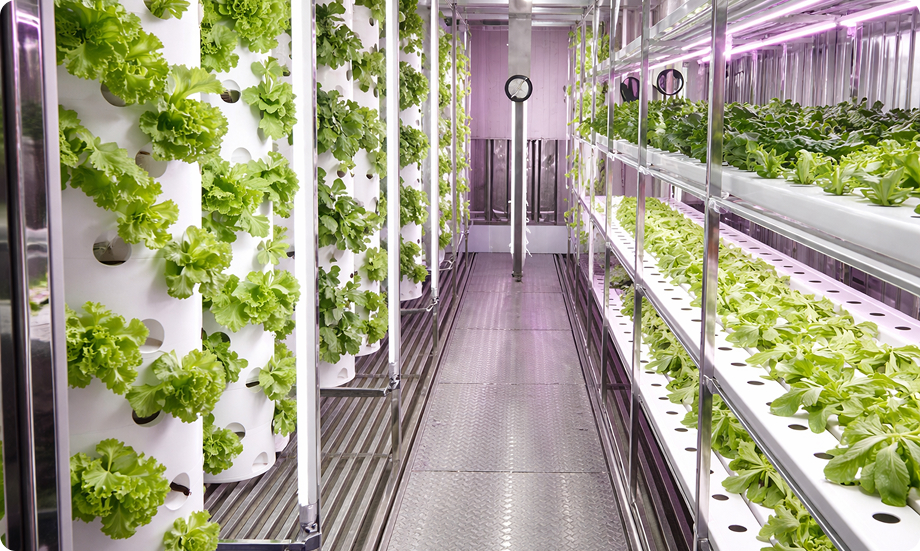
Container-based vertical farming offers a controlled environment for consistent crop production, but not every space or business model is a natural fit. If you’re considering this approach, it’s important to evaluate whether your available area, output expectations, and operational setup can realistically support a container-based system. This article outlines key factors to help you make an informed decision before taking the next step.
Evaluating Your Available Space
The first step is understanding the physical requirements of a container-based vertical farm. Standard units typically range from 320 to 400 square feet, with vertical stacking to maximize growing area. Consider the accessibility of your site for delivery and installation, as well as proximity to utilities such as water and electricity. Assess whether your location allows for easy maintenance and workflow, especially if you plan to scale production or add more units over time.
Aligning Production Goals with System Capacity
Each container system has defined limits for crop yield, determined by the type of crops, growing cycles, and climate control capabilities. Review your intended output—whether for local retail, direct sales, or supply contracts—and compare it to the projected harvest volumes per cycle. It’s important to match your business objectives with what the system can reliably deliver, taking into account factors like crop variety, market demand, and the frequency of harvests.
Understanding Operational Demands
Operating a container-based vertical farm requires attention to daily routines and technical management. Consider staffing needs, training requirements, and the monitoring of climate, lighting, and nutrient systems. Evaluate your readiness to handle ongoing maintenance, system calibration, and troubleshooting. Reliable access to support and replacement parts is also essential for minimizing downtime and maintaining consistent output.
Making the Next Step: Fit Assessment and Support
Before committing to a container-based vertical farming solution, it’s valuable to conduct a detailed fit assessment. This includes reviewing your site, clarifying your production targets, and understanding the operational workflow. If you need guidance, the Agri Food Smart Exchange Network (AFSEN) offers expertise in matching container-based systems to real-world conditions in the Surrey area. For more details on operational requirements and tailored solutions, visit our Container-Based Vertical Farming Solutions page.
Choosing a container-based vertical farming model is a significant step that depends on how well your space, output goals, and operational capacity align with system capabilities. By carefully evaluating each factor, you can move forward with greater confidence and set the stage for a productive, sustainable growing operation.